Maltipoo
Features


Origins
The Maltipoo is a cross between the Maltese Bichon and the Toy or Miniature Poodle, developed mainly in the United States from the 1990s onwards. The goal was to combine the affectionate, elegant character of the Maltese with the intelligence and hypoallergenic coat of the Poodle, creating an ideal companion dog for families and people with allergies.
Although the Maltipoo is not officially recognised as a breed by any kennel club, it has gained immense popularity worldwide thanks to its balanced temperament, low shedding and great adaptability.
Characteristics and aptitudes
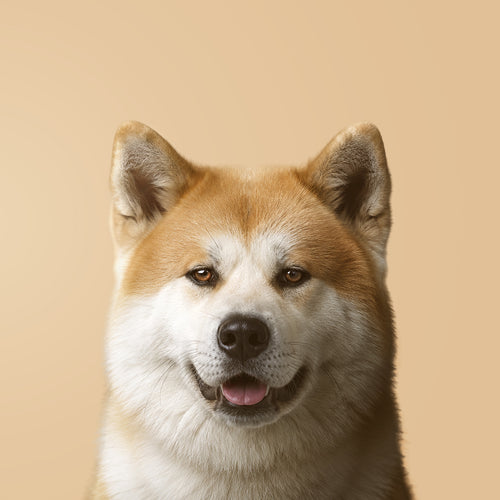
The Maltipoo is a small dog with a light frame and soft coat ranging from curly to wavy. Its temperament is extremely affectionate, playful and intelligent, making it very easy to train thanks to its Poodle heritage. It adapts perfectly to apartment life and is ideal for families with children, older adults and multi-pet households. It is worth noting that it can develop separation anxiety if left alone for extended periods.
Care
The Maltipoo needs moderate daily exercise through walks and play. Mental stimulation is equally important: interactive games and positive reinforcement training help channel its energy. Early socialisation is key to preventing shyness or overprotectiveness. Dental check-ups should be frequent, as small dogs are prone to tartar build-up and periodontal disease.
Most common diseases
The Maltipoo may be prone to some hereditary conditions worth knowing about:
- Patellar luxation: displacement of the kneecap common in small breeds that can cause lameness.
- Portosystemic shunt: hepatic vascular malformation that can affect metabolism and requires early diagnosis.
- Idiopathic epilepsy: hereditary neurological disorder that may manifest as periodic seizures.
- Dental problems: tartar build-up and periodontal disease are frequent in small breeds.
A balanced, high-quality diet is key to your dog's health. Discover our selection of dog food.