From a certain age, a dog's nutritional needs change significantly. Senior dogs — generally from 7 years onwards, although this varies by breed and size — go through physiological changes that directly affect how they should eat.
An older dog is not simply an older dog: their metabolism slows down, digestive capacity can decrease, and some organ functions, such as the kidneys or liver, may begin working with less efficiency. Adapting the diet now is not optional — it is an essential part of their well-being.
When is a dog considered a senior?
The age at which a dog enters the senior phase depends mainly on their size:
- Small breeds (under 10 kg): from 10–12 years
- Medium breeds (10–25 kg): from 7–9 years
- Large breeds (over 25 kg): from 6–7 years
- Giant breeds (over 45 kg): from 5–6 years
In giant breeds ageing is earlier, which requires anticipating dietary changes sooner than many would expect.
Physiological changes that affect nutrition
Slower metabolism
With reduced physical activity, energy expenditure decreases. Maintaining the same rations as in adulthood can cause excess weight, which in turn worsens the joint problems common in older dogs.
Changes in digestive capacity
The digestive system may become less efficient in absorbing nutrients. This does not always translate into obvious symptoms, but into a lower utilisation of what they eat.
Greater kidney and liver sensitivity
The kidneys and liver work with less margin. A poorly calibrated diet in proteins or minerals can overload these organs. It is not about eliminating proteins, but about offering high-quality and digestible proteins.
Joint degeneration
Osteoarthritis is very common in senior dogs. Certain nutrients such as omega-3, hydrolysed collagen or chondroitin sulphate can help improve mobility and quality of life.
What should a senior dog's diet include?
High-quality and digestible proteins
Contrary to popular belief, older dogs do not need less protein, but better protein. Quality meat sources — chicken, turkey, salmon, beef — provide essential amino acids that the body needs to maintain muscle mass.
Lower calorie density
Recipes formulated for seniors tend to reduce caloric intake without sacrificing nutrients. Fewer calories, but equally balanced.


Omega-3 fatty acids
DHA and EPA, found in salmon oil and other fatty fish, are particularly beneficial for cognitive function, joint health and coat quality.
Fibre and prebiotics
They promote intestinal transit and microbiome health, particularly important when digestive function begins to slow down.
Lower sodium and phosphorus content
Especially if there are signs of kidney or heart disease, it is advisable to limit these minerals. Always under veterinary supervision.
Common mistakes in senior dog nutrition
- Continuing to give the same amount of food as in adulthood: causes excess weight almost inevitably.
- Excessively reducing protein out of fear of damaging the kidneys: only necessary with diagnosed kidney disease.
- Ignoring gradual changes in appetite: can indicate health problems or changes in the sense of smell.
- Not adapting the size or texture of dry food kibbles: some senior dogs have dental difficulties that make chewing harder.
How often should an older dog eat?
There is no single answer, but in general it is recommended to maintain two daily meals. If the dog has digestive problems or is very thin, dividing the ration into three smaller meals can be considered. The important thing is to respect the total recommended amount based on their ideal weight, not the actual weight if there is excess weight.
Does a senior dog need supplements?
Dog supplements can be a valuable aid in the senior phase, especially for joint and digestive support.
Depending on their health status, the vet may recommend:
- Chondroprotectors (glucosamine, chondroitin) for the joints
- Omega-3 in concentrated form
- Antioxidants (vitamin E, selenium) for oxidative stress
- Probiotics for digestive health
Not all senior dogs need them. Supplementation must be individualised and supervised.
Senior kibble, natural diet or wet food?
There is no single formula. Recipes formulated for seniors are designed to cover the needs of this phase with nutritional precision and practicality. Wet food can be a good option if the dog has dental problems or little appetite, as it is more palatable and easier to ingest. Well-formulated natural diets can be very appropriate, but require more planning.
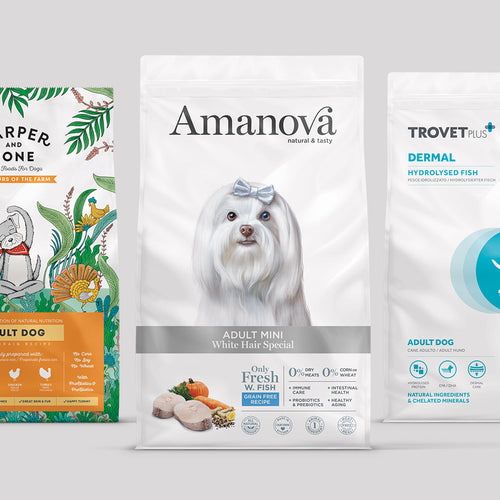
Among the available brands you will find options such as Harper and Bone, Amanova and TrovetPlus, with specific recipes for dogs in the senior phase, formulated with high-quality ingredients and a focus on joint, digestive and kidney health.
If your senior dog needs to stay active during the cold months, also check out our tips on how to keep your dog active in winter.