When cold weather arrives, we tend to focus on keeping our pets warm, adjusting their walks, and protecting their paws from ice. But there is a risk that often goes unnoticed: dehydration. Although it may seem like an exclusively summer problem, many dogs drink considerably less water during the winter months, which can have real consequences for their health. Understanding why this happens is the first step to preventing it.
Why dogs drink less in winter
In summer, dogs pant to regulate their body temperature and lose a lot of water through breathing. This process automatically triggers thirst. In winter, when they pant less, the feeling of thirst decreases significantly.
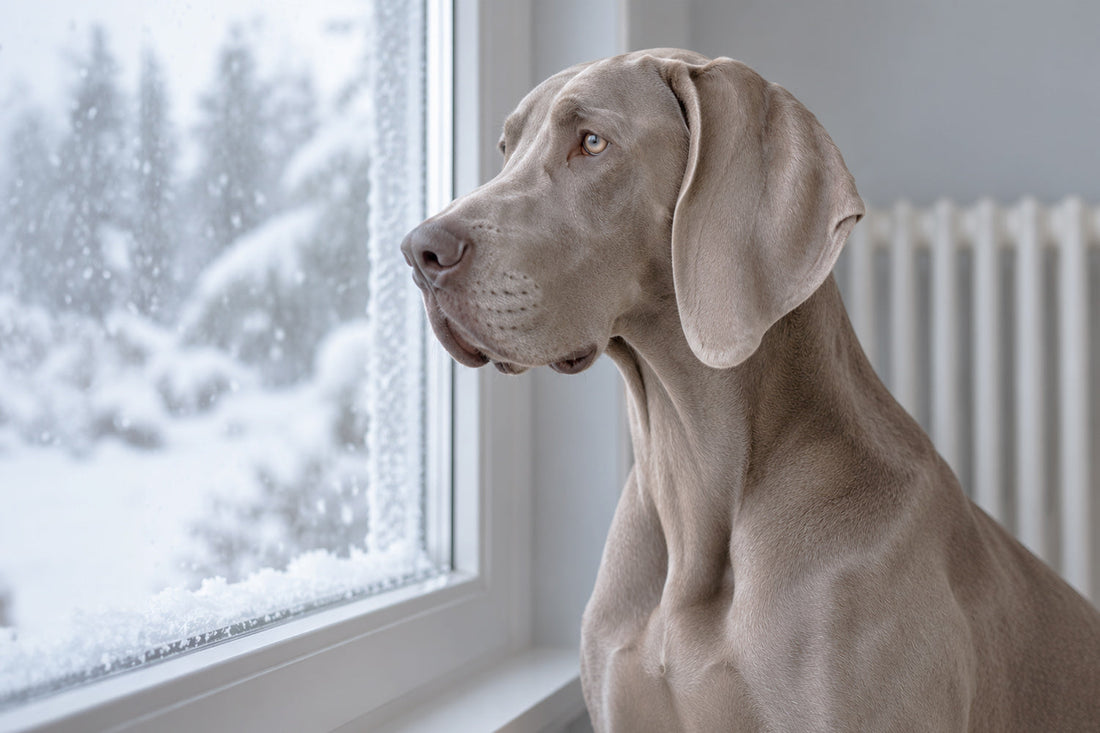
Additionally, cold weather reduces the sense of thirst in many mammals, including dogs. Added to this is the fact that cold water in the bowl may be unappealing to some animals, who unconsciously avoid it. Shorter days, shorter walks, and reduced physical activity also contribute to the dog consuming fewer fluids.
Furthermore, indoor heating dries out the air in the home, increasing water loss through the airways without the animal experiencing this as thirst. The result is a dog who constantly loses moisture but does not feel the need to replenish it.
Risks of dehydration in winter
Insufficient fluid intake has important, albeit silent, consequences. The kidneys need water to correctly filter metabolic waste; without it, they become overloaded and the risk of kidney problems and urinary tract infections increases. Skin and coat also suffer: they become drier and more brittle, which is especially visible in winter.
The digestive system slows down without enough water, which can cause constipation. And in general, a dehydrated dog appears more tired, apathetic, and with less energy, symptoms often mistakenly attributed to the change of season.


Signs of dehydration in dogs
Detecting dehydration in time can make a difference. These are the most common signs to watch for:
- Skin fold test: gently pinch the skin on the back of the neck. In a well-hydrated dog, it returns immediately. If it takes a moment, that may be a sign of dehydration.
- Dry or sticky gums: a healthy dog's gums are moist and pink. If they are dry or the saliva is thick, pay attention.
- Dark or infrequent urination: urine should be light yellow. If it is very dark or your dog rarely urinates, they may be drinking too little.
- Sunken or dull eyes.
- Lethargy or unusual apathy.
When in doubt, always consult your vet.
How wet food helps with hydration
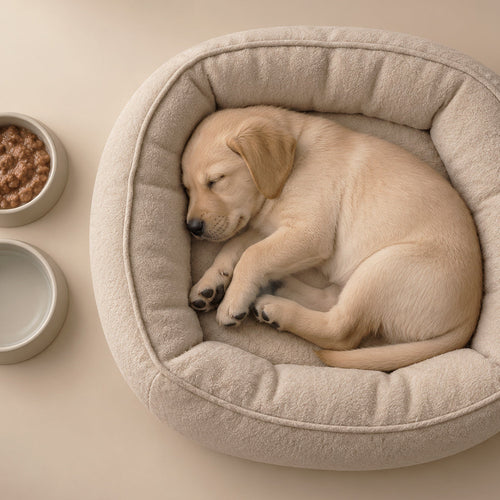
One of the most effective ways to ensure your dog gets enough water without having to empty an entire bowl is to incorporate wet food into their diet. Wet food contains between 70 and 80% water in its composition, so each meal delivers an important amount of hydration in a natural and appetising way.
This strategy is especially valuable in winter, when dogs are less inclined to go to the water bowl on their own. Our wet food for dogs is formulated with high-quality ingredients and without artificial preservatives, so your dog receives the best nutrition along with the hydration they need in every season.
Other tips to encourage your dog to drink more
In addition to wet food, you can apply these simple strategies to promote water consumption in winter:
- Warm the water: offer it at room temperature or slightly lukewarm. Many dogs refuse very cold water.
- Use multiple bowls: place water bowls in different spots around the house so water is always within reach.
- Add unsalted broth: a little chicken or vegetable stock without salt, without onion or garlic, can make the water much more appealing.
- Pet drinking fountains: the movement of the water attracts many dogs' attention and encourages them to drink more.
- Monitor daily intake: an adult dog needs approximately 50 ml of water per kilogram of body weight per day.
Winter does not have to mean silent dehydration. With small adjustments to routine and a diet that includes wet food, you can make sure your dog arrives at spring in perfect condition. Take care of them from the inside too when it is cold outside.