Labradoodle
Sociable, intelligent and irresistibly cheerful: the Labradoodle combines the best of the Labrador and the Poodle in a hypoallergenic, loving and easy-to-train dog.
Features

Height at the withers
Male: Between 56 and 61 cm.
Female: Between 53 and 58 cm.

Weight
Male: Between 23 and 30 kg.
Female: Between 20 and 27 kg.

Life expectancy
Between 12 and 15 years old.

Coat
Curly or wavy, hypoallergenic, low-shedding.

Color
Cream, golden, chocolate, black, caramel or chestnut.

Diet
Balanced diet tailored for active large-breed dogs, with quality ingredients to support coat health and energy.

Care and diseases
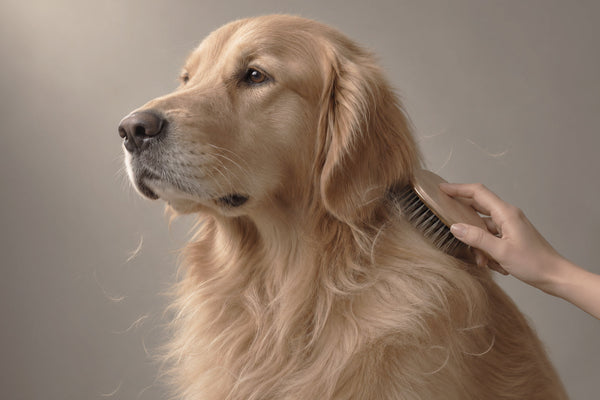
Regular brushing (2-3 times per week) to prevent tangles and professional grooming every 2-3 months.
Origins
The Labradoodle was created in Australia in the 1980s by breeder Wally Conron, who crossed a Labrador Retriever with a Standard Poodle to develop a guide dog suitable for people with allergies. Its hypoallergenic coat and intelligence quickly made it one of the most popular crossbreeds in the world.
Characteristics and aptitudes
The Labradoodle is a large dog with an athletic build and a curly or wavy coat that sheds very little. Its temperament combines the sociability and docility of the Labrador Retriever with the intelligence and versatility of the Poodle. It is an ideal dog for families with children, active people, and those with mild allergies.
Care
The Labradoodle needs moderate-to-intense daily exercise to keep its body and mind in shape. Its coat requires frequent brushing and regular visits to the groomer to prevent tangles. As a crossbreed, preventive veterinary care is important. It responds very well to positive reinforcement training from puppyhood.
Most common diseases
The Labradoodle can be prone to some hereditary conditions you should be aware of:
- Hip and elbow dysplasia: joint malformations that can cause pain and difficulty moving.
- Progressive retinal atrophy (PRA): degeneration of the retina that can lead to gradual loss of vision.
- Idiopathic epilepsy: a neurological disorder that causes seizures of unknown origin.
- Allergies: a predisposition to skin or food allergies that may require a specific diet or treatment.
A balanced, high-quality diet is key to your dog's health. Discover our selection of dog food.